Flat 7% OFF on all prepaid orders - No coupon needed! Free shipping above Rs.499.  ✦ Flat 7% OFF on all prepaid orders - No coupon needed! Free shipping above Rs.499.  ✦ Flat 7% OFF on all prepaid orders - No coupon needed! Free shipping above Rs.499.  ✦ Flat 7% OFF on all prepaid orders - No coupon needed! Free shipping above Rs.499.  ✦ Flat 7% OFF on all prepaid orders - No coupon needed! Free shipping above Rs.499.  ✦ Flat 7% OFF on all prepaid orders - No coupon needed! Free shipping above Rs.499.  ✦ Flat 7% OFF on all prepaid orders - No coupon needed! Free shipping above Rs.499.  ✦ Flat 7% OFF on all prepaid orders - No coupon needed! Free shipping above Rs.499.  ✦ 
Home/ Women's Care/ Pili Shatavari (Yellow Shatavari) Root Powder
Asparagus racemosus Willd.

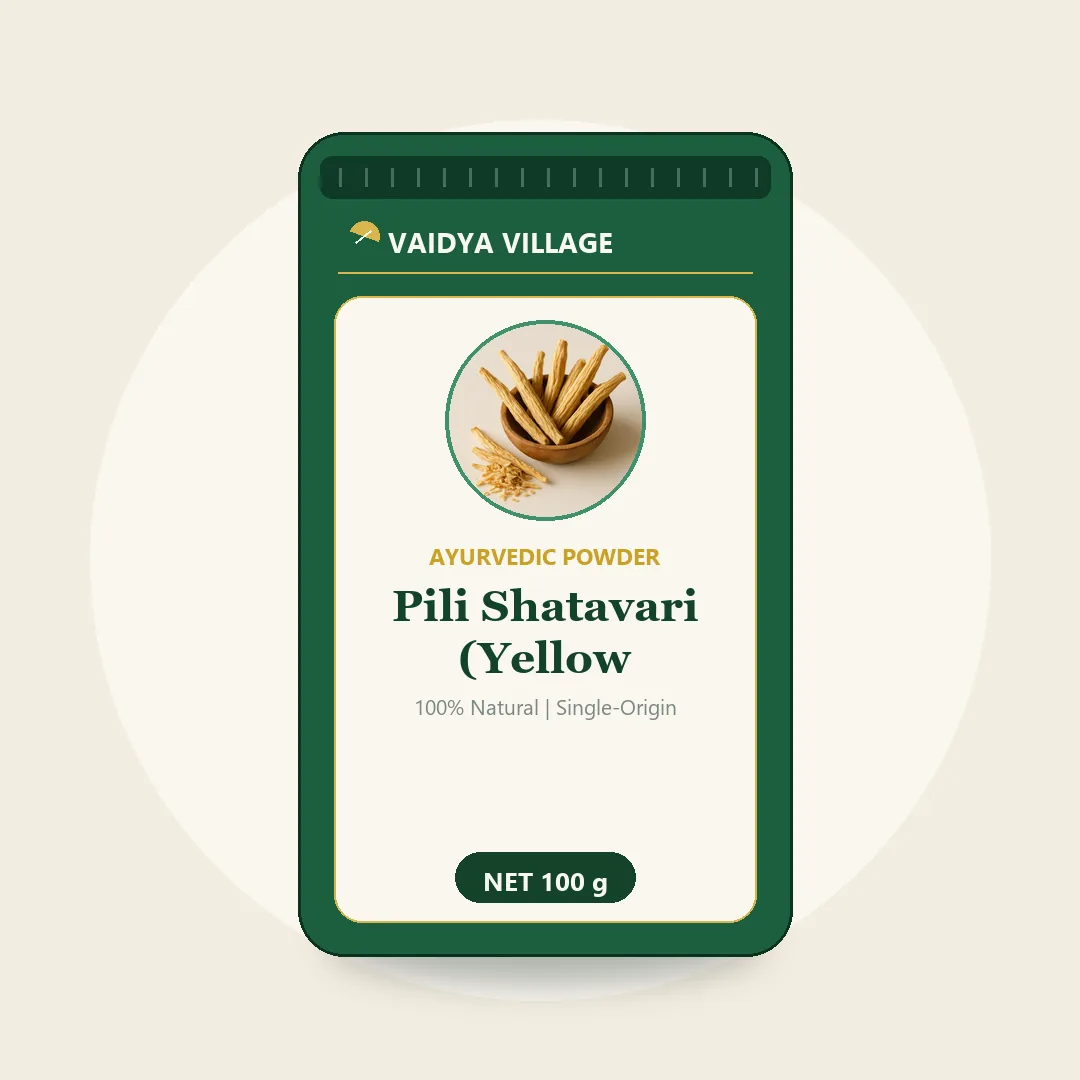
Pili Shatavari (Yellow Shatavari) Root Powder

Wild Yellow Shatavari - the Queen of Herbs for women's vitality

★★★★★ 4.5 · 92 reviews 1,340+ sold
Rs.200 Rs.310 35% OFF
Inclusive of all taxes · In stock
Select size:
100 g Rs.200 · 35% off
250 g Rs.460 · 35% off
500 g Rs.840 · 35% off
Free shipping above Rs.499
Pay via UPI GPay PhonePe Paytm BHIM

Available Offers

  • 7% OFF on all prepaid orders — no coupon needed.
  • Use code WELCOME10 for 10% off your first order.
  • Free shipping on orders above Rs.499.
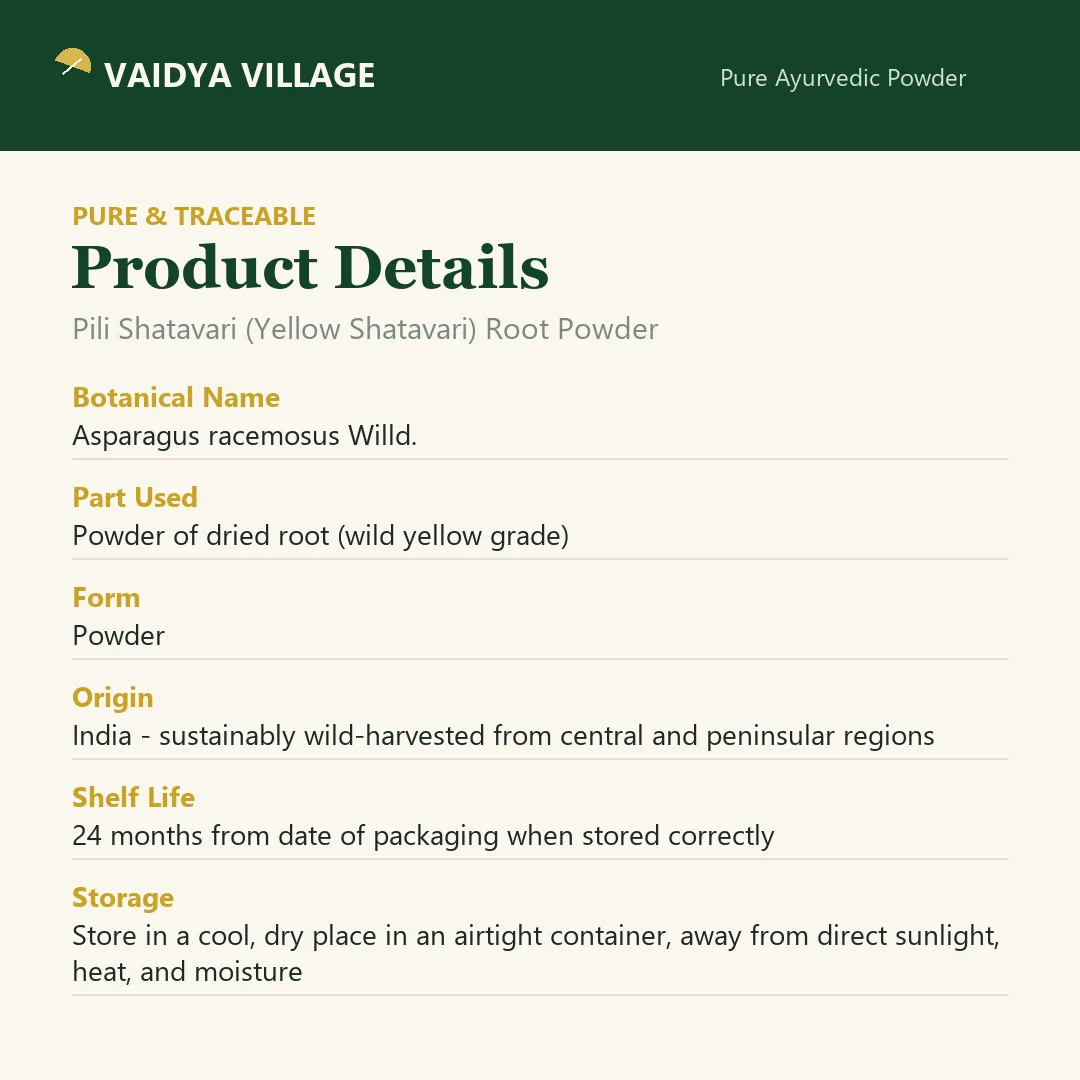
Botanical NameAsparagus racemosus Willd.
Part UsedPowder of dried root (wild yellow grade)
FormPowder
OriginIndia - sustainably wild-harvested from central and peninsular regions
Shelf Life24 months from date of packaging when stored correctly
StorageStore in a cool, dry place in an airtight container, away from direct sunlight, heat, and moisture

About Pili Shatavari (Yellow Shatavari) Root Powder

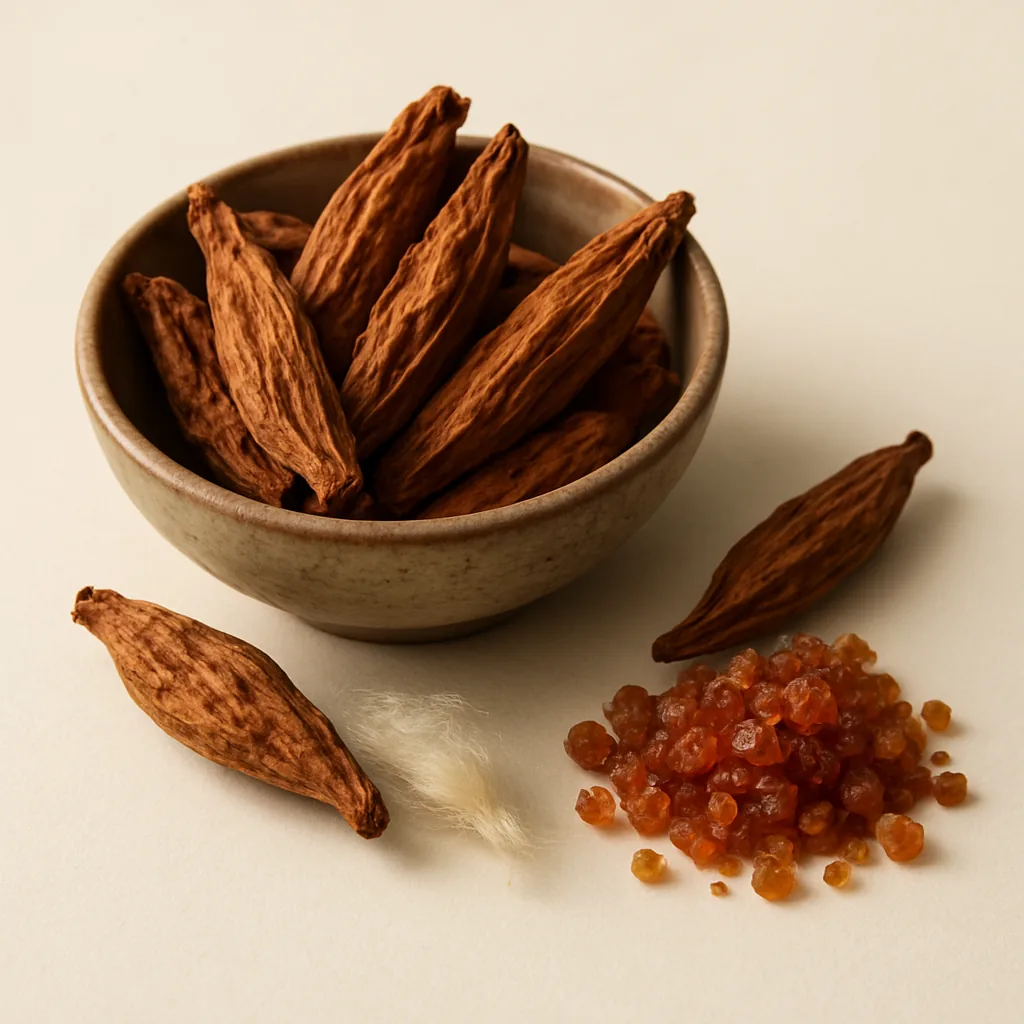
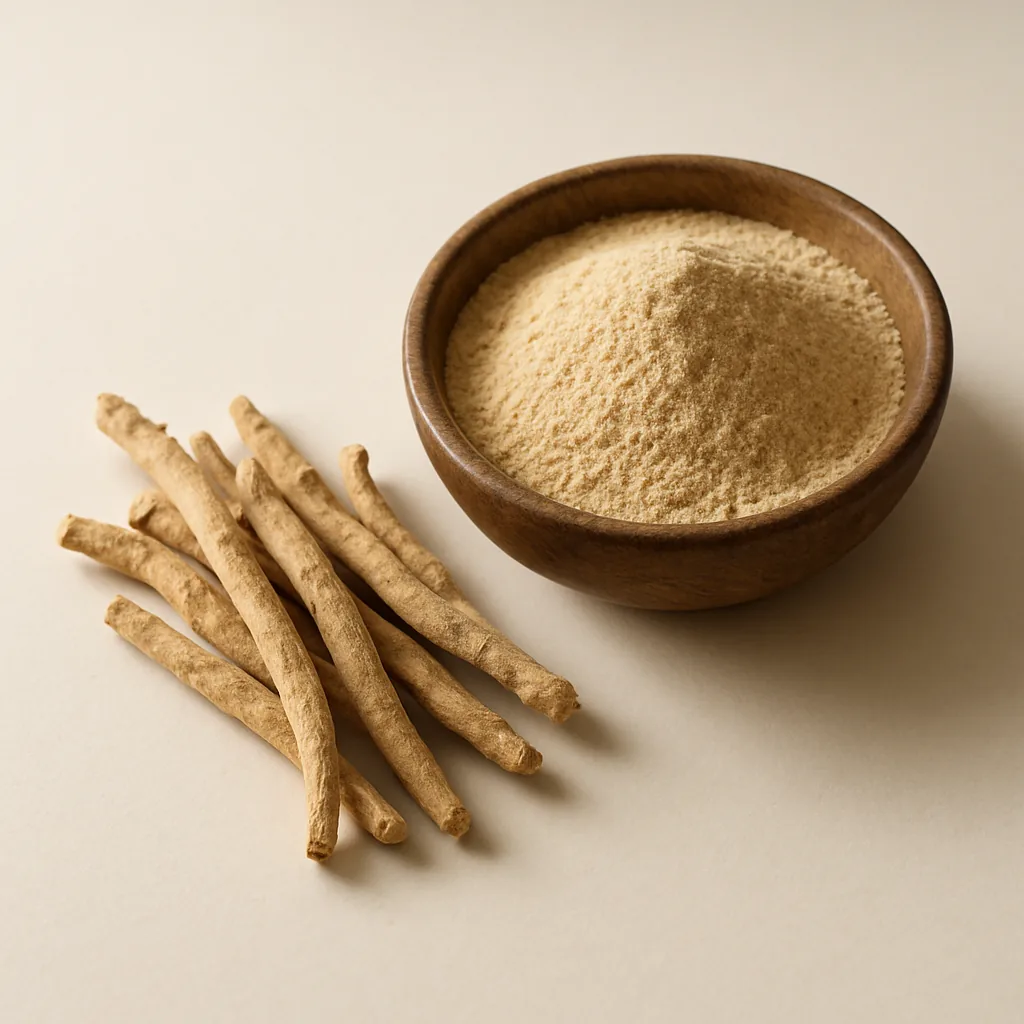
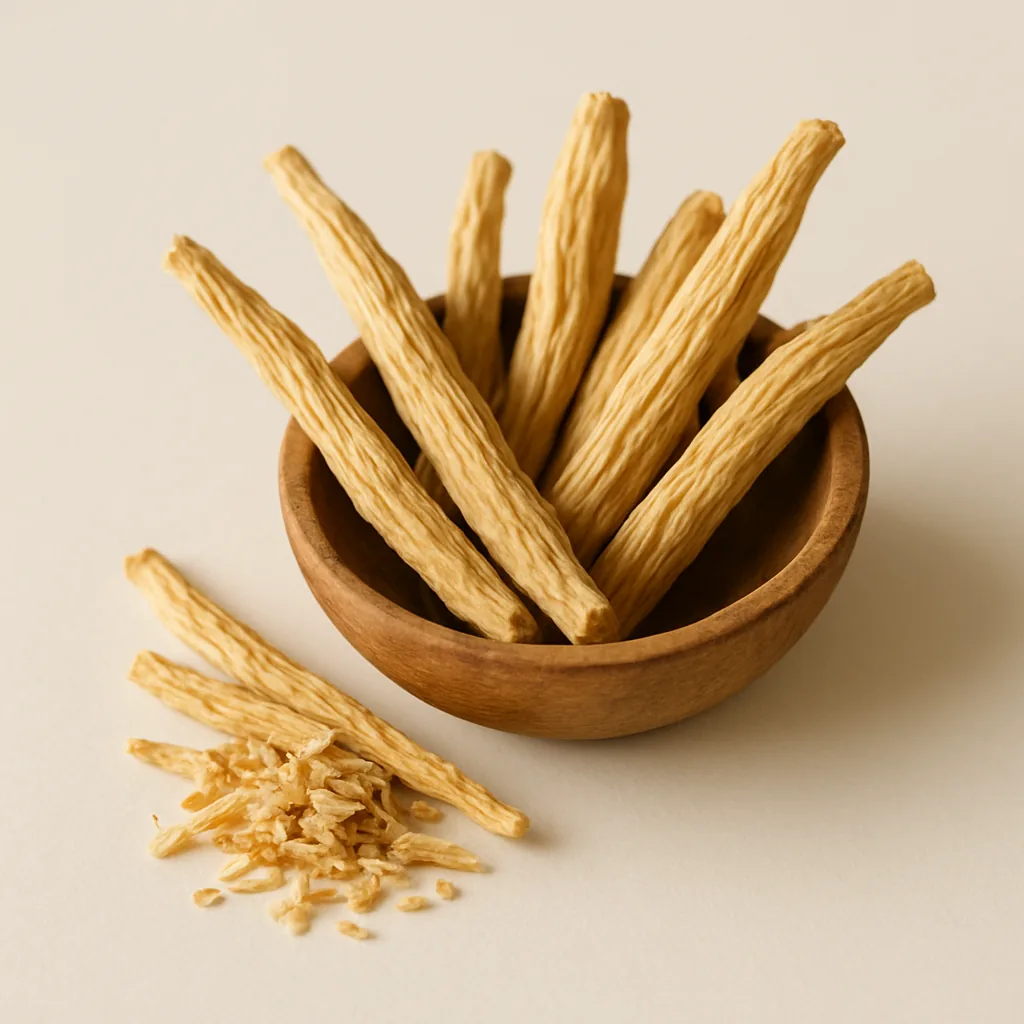
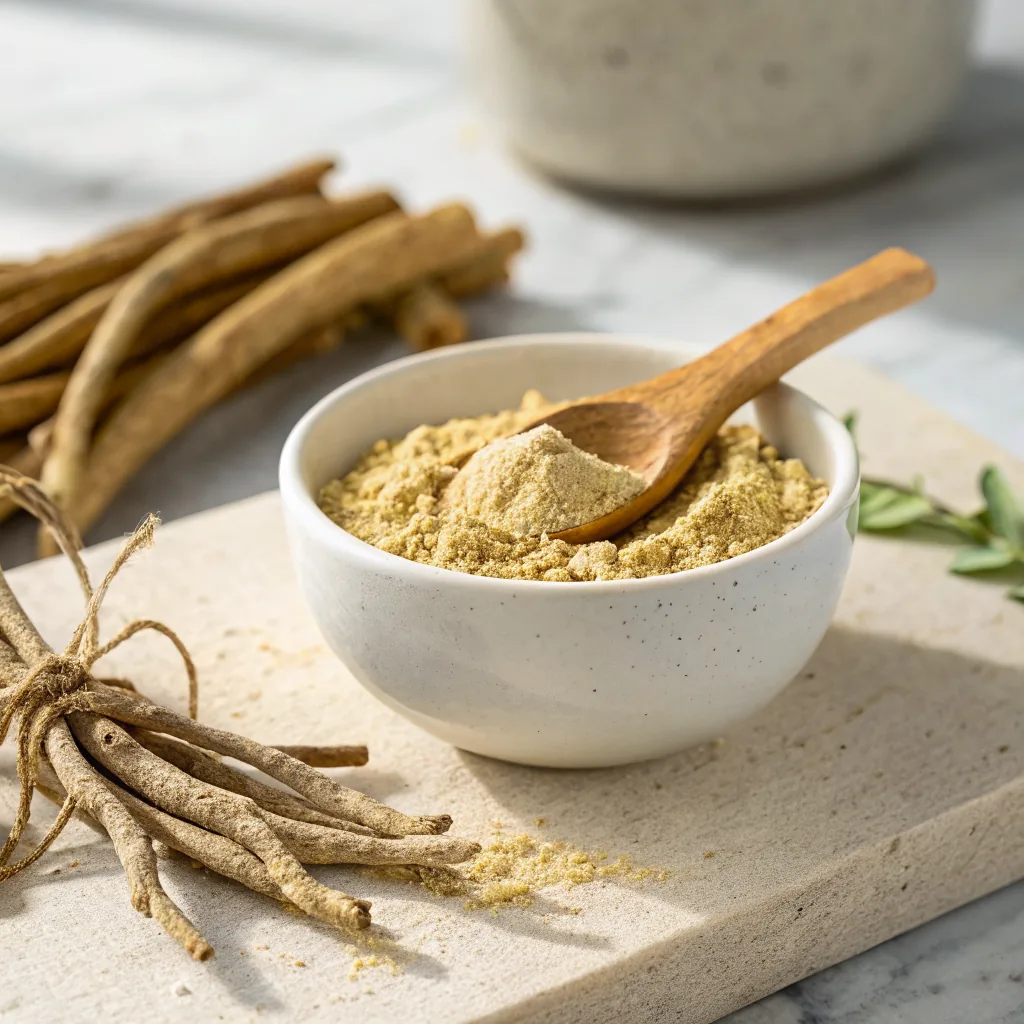
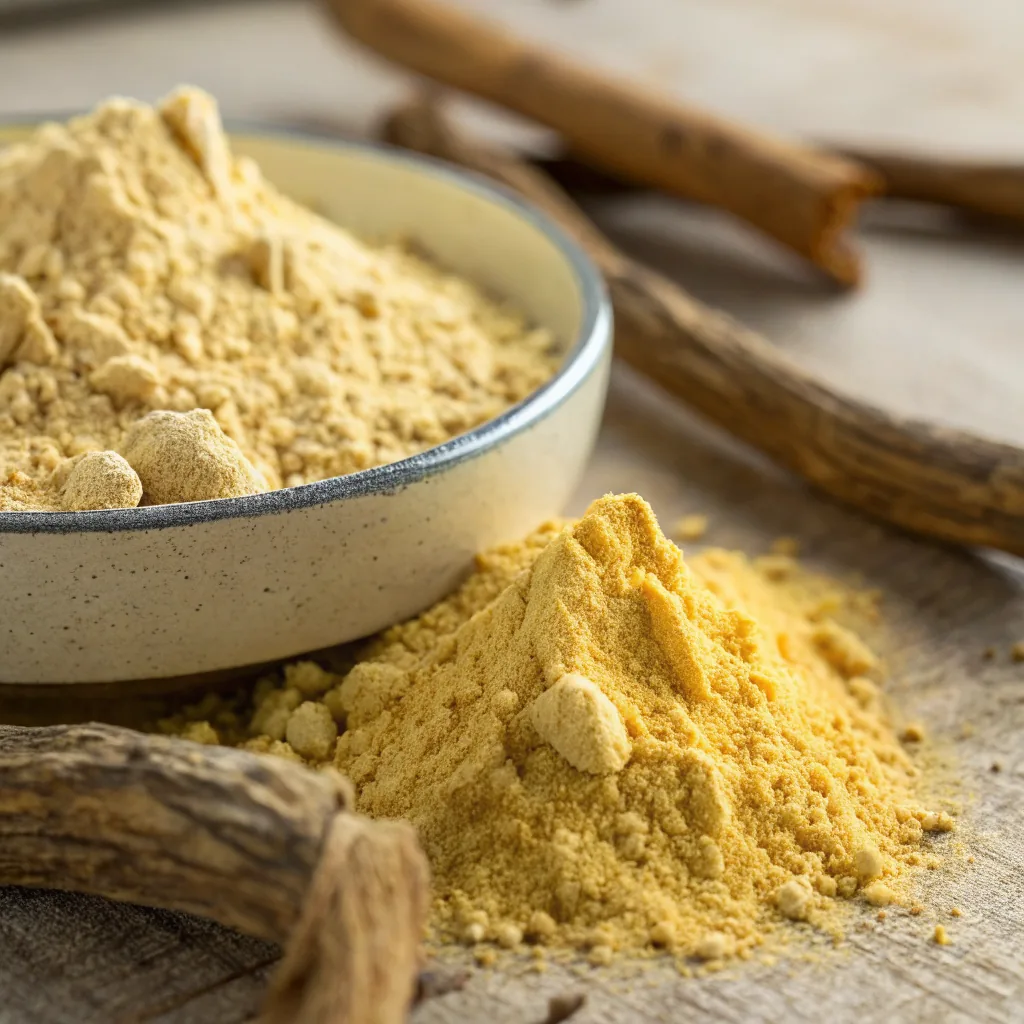
Pili Shatavari, or Yellow Shatavari, is the wild-harvested, unpeeled root grade of Asparagus racemosus - the same botanical species revered in Ayurveda as the "Queen of Herbs" and the foremost stri rasayana (rejuvenative tonic for women). Where the familiar Safed (white) Shatavari is the peeled and cleaned cream-coloured root, Pili Shatavari retains its natural outer bark, giving it a characteristic yellowish, earthy appearance. Traditional collectors and vaidyas value this wild, minimally processed form for holding onto more of the root's natural phytonutrients, including its signature steroidal saponins (shatavarins).

In Ayurvedic terms, Shatavari carries a sweet and slightly bitter taste (madhura-tikta rasa), is heavy and unctuous in quality (guru, snigdha guna), cooling in potency (sheeta virya), and sweet after digestion (madhura vipaka). This profile makes it a superb tridosha herb that especially pacifies aggravated Pitta and Vata. Classical texts such as the Bhavaprakasha celebrate it as the principal rejuvenative for women, while also noting its supportive role in male vitality and reproductive strength - making it one of the few truly unisex tonics in the pharmacopoeia.

Traditionally, Pili Shatavari is used to nourish and balance the female reproductive system through every life stage - from menstrual comfort and fertility support to easing the transition of menopause - and as a trusted galactagogue (stanyajanana) simmered in milk for nursing mothers. Its cooling, moistening nature is also drawn upon to soothe hyperacidity, a burning sensation, and an irritated digestive or urinary tract, and as a gentle adaptogenic tonic (balya, rasayana) to help the body recover from stress, illness, and childbirth.

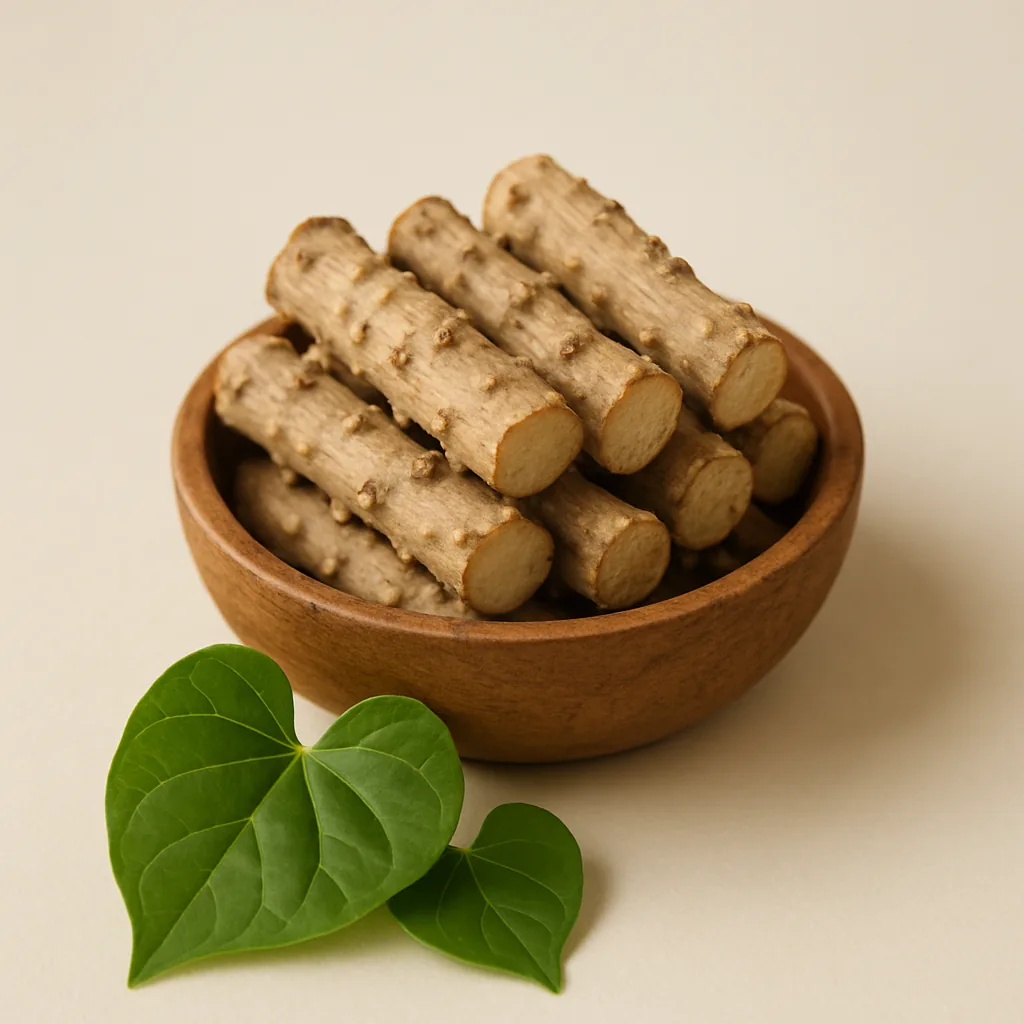
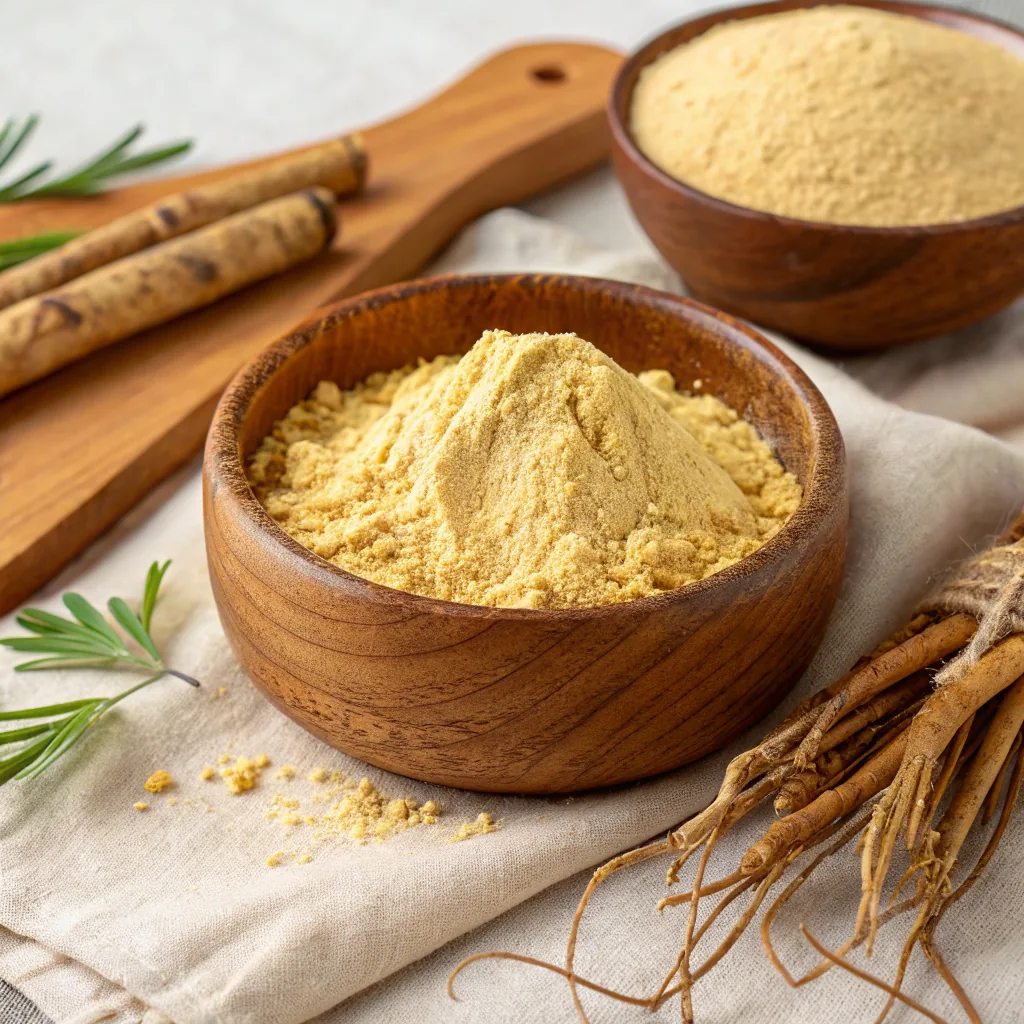
Our Pili Shatavari is sustainably wild-collected, carefully cleaned, and sun-dried to preserve its natural aroma and strength. It is offered as whole/cut roots and as a finely milled powder, ready for decoctions, milk preparations, herbal ghee, or traditional Shatavari Kalpa. As with all raw herbs, use under the guidance of a qualified Ayurvedic physician for your individual constitution.

Key Benefits

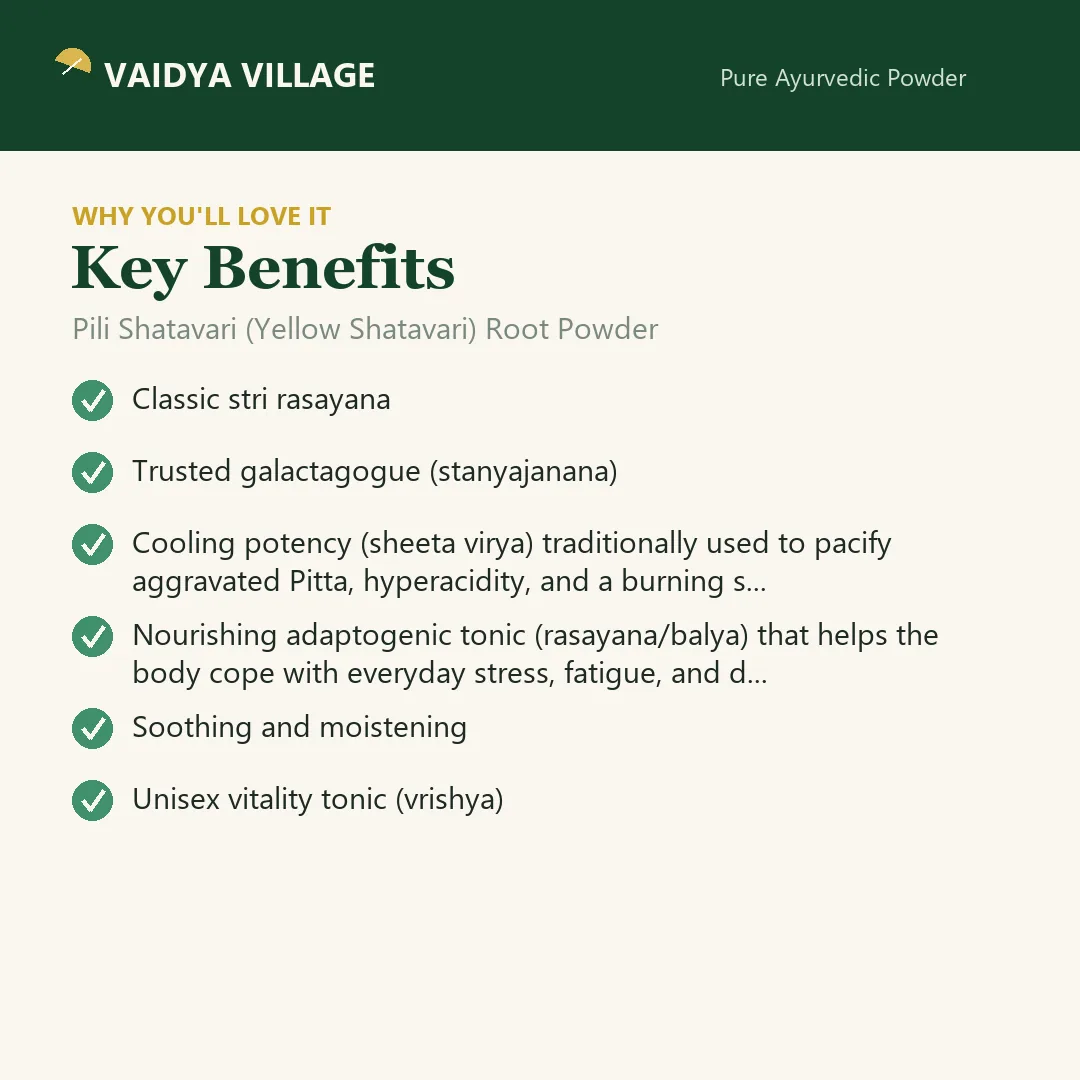
  • Classic stri rasayana - traditionally used to support women's reproductive health and hormonal balance across every life stage
  • Trusted galactagogue (stanyajanana) - simmered in milk to help support healthy lactation in nursing mothers
  • Cooling potency (sheeta virya) traditionally used to pacify aggravated Pitta, hyperacidity, and a burning sensation
  • Nourishing adaptogenic tonic (rasayana/balya) that helps the body cope with everyday stress, fatigue, and depletion
  • Soothing and moistening - traditionally used to support a healthy digestive tract and calm gut lining
  • Unisex vitality tonic (vrishya) - supports vigour and reproductive strength in both women and men
  • Naturally rich in steroidal saponins (shatavarins) that underpin its tonic and rejuvenative action
  • Wild, unpeeled yellow root retains its natural bark and phytonutrients for a robust, full-spectrum potency
  • Supportive of post-partum and convalescent recovery and healthy day-to-day immunity
  • Gently moistening and diuretic - traditionally used to support fluid balance and a healthy urinary tract

Traditional Uses

  • Women's monthly-cycle comfort and menopausal support formulations
  • Galactagogue milk decoction for nursing mothers
  • Daily rasayana churna taken with warm milk for strength and rejuvenation
  • Cooling decoction for Pitta-type acidity and burning sensations
  • Post-partum and convalescent nourishing tonic
  • Men's vitality and stamina blends (paired with Ashwagandha or Safed Musli)
  • Soothing preparations for the digestive and urinary systems
  • Base ingredient for Shatavari Kalpa, Shatavari Ghrita (herbal ghee), and herbal jams

How to Use

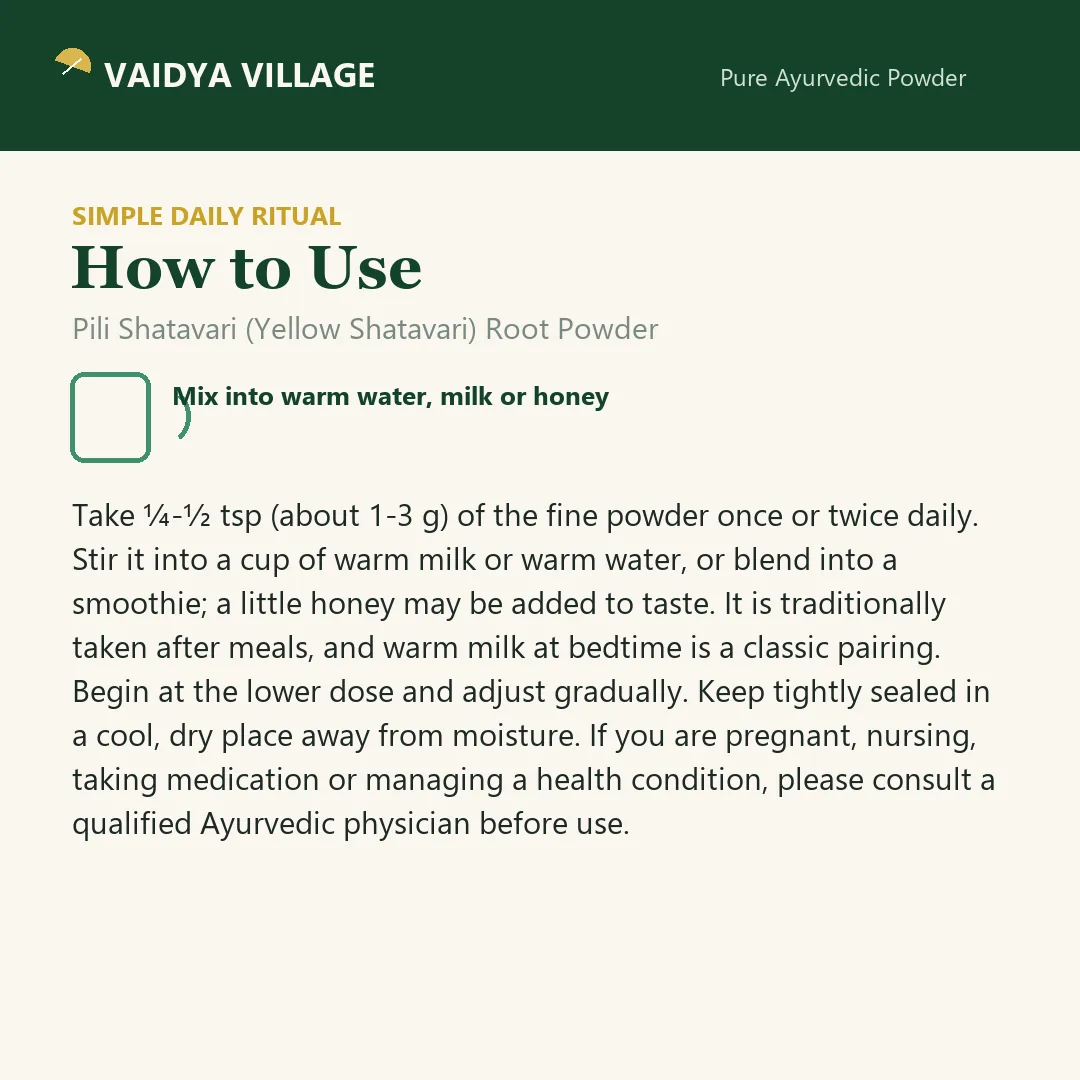
Take ¼-½ tsp (about 1-3 g) of the fine powder once or twice daily. Stir it into a cup of warm milk or warm water, or blend into a smoothie; a little honey may be added to taste. It is traditionally taken after meals, and warm milk at bedtime is a classic pairing. Begin at the lower dose and adjust gradually. Keep tightly sealed in a cool, dry place away from moisture. If you are pregnant, nursing, taking medication or managing a health condition, please consult a qualified Ayurvedic physician before use.

Precautions & Safety

Pili Shatavari is regarded as a gentle, nourishing rasayana and does not require any special purification (shodhana). However: (1) Being heavy (guru) and unctuous (snigdha), it can aggravate Kapha and may cause bloating, heaviness, or loose stools in those with weak digestion (mandagni) or high ama - pair with digestive spices like ginger, pippali, or cardamom in such cases. (2) Pregnancy and lactation: although traditionally used as a galactagogue, use only under the supervision of a qualified practitioner. (3) It has documented phytoestrogen-like activity, so those with hormone-sensitive conditions, on hormone therapy, or with a history of estrogen-sensitive concerns should consult a physician first. (4) Its mild diuretic action means caution with lithium or diuretic medication. (5) People allergic to asparagus or other members of the Asparagaceae family should avoid it. (6) Diabetics on blood-sugar medication should monitor closely, as it may have a mild hypoglycaemic effect. (7) Always source authentic Asparagus racemosus - the market occasionally adulterates Shatavari with lookalike Asparagus species or unrelated roots; buy from a trusted, identity-verified supplier. Keep away from moisture to prevent mould on the natural, unpeeled root.

This product is not intended to diagnose, treat, cure or prevent any disease. Consult a qualified physician before use, especially during pregnancy, lactation or with existing conditions.

Frequently Asked Questions

What is the difference between Pili (yellow) and Safed (white) Shatavari?
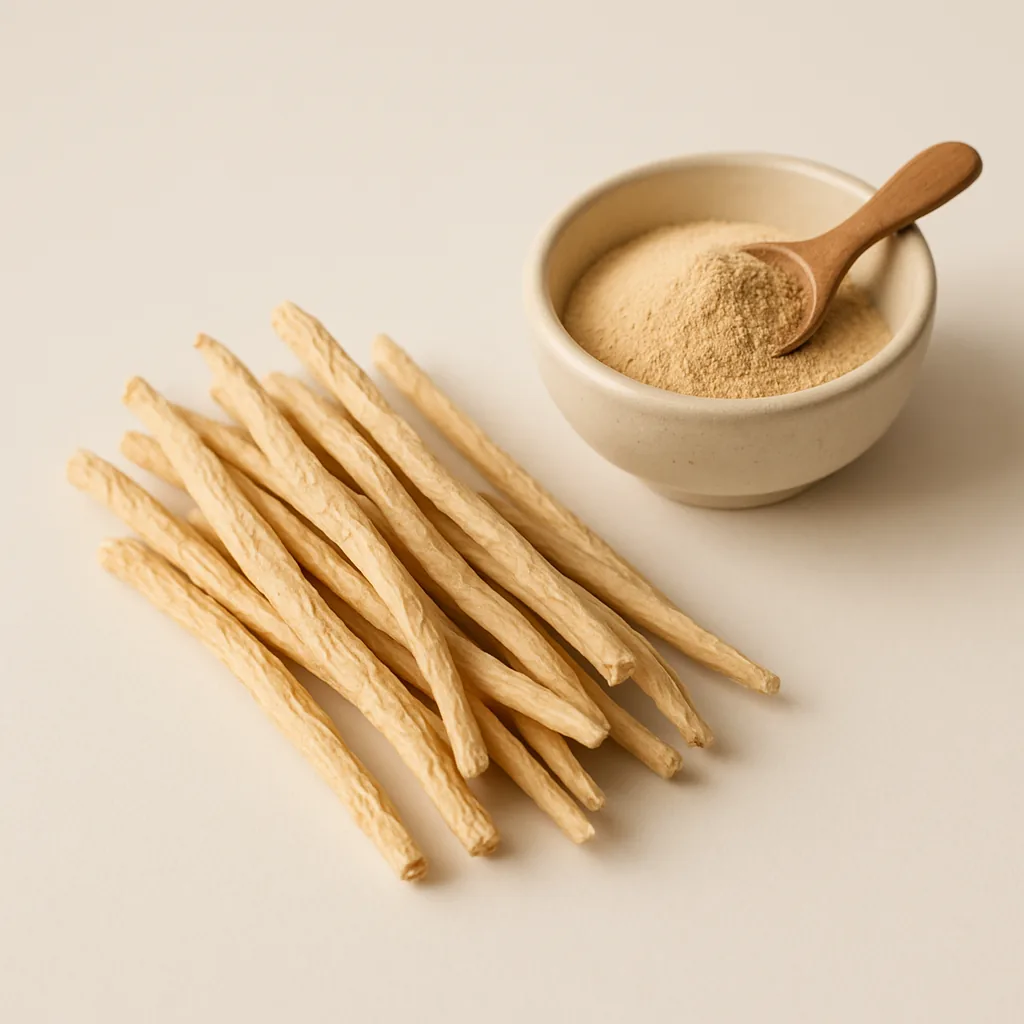
Both come from the same plant, Asparagus racemosus. Safed Shatavari is the peeled and cleaned root, which looks cream-white and is prized for its smooth, mild finish. Pili (yellow) Shatavari is the wild-harvested, unpeeled root that keeps its natural outer bark, giving it a yellowish, earthy look. Many traditional practitioners prefer the yellow, minimally processed form for retaining more of the root's natural bark-bound phytonutrients.
Is Pili Shatavari only for women?
No. It is best known as the Queen of Herbs and the leading rejuvenative tonic for women, but classical Ayurveda - including the Bhavaprakasha - also uses Shatavari as a cooling vitality tonic for men. It is one of the few genuinely unisex rasayanas, commonly blended with Ashwagandha or Safed Musli for men's strength and stamina.
How do I take Pili Shatavari for the best effect?
The classic method is 3-6 g of powder stirred into warm milk once or twice a day, which enhances its nourishing, rejuvenative action. You can also make a decoction by simmering 5-10 g of crushed root in water and reducing it down. Because the wild yellow root is fibrous, a fine powder or a properly reduced decoction works best.
Can it be used during pregnancy or breastfeeding?
Shatavari is a traditional galactagogue and is often given to nursing mothers, classically boiled in milk. That said, pregnancy and lactation are sensitive periods, so it should only be used under the guidance of a qualified Ayurvedic physician or your healthcare provider.
Does yellow Shatavari need any purification before use?
No. Shatavari is a food-grade, non-toxic rasayana and needs no shodhana (purification). It simply needs to be well cleaned, dried, and free of grit - which our wild grade is. Just ensure you are buying authentic Asparagus racemosus, as cheaper lookalike roots are sometimes passed off as Shatavari.
Who should be cautious with Pili Shatavari?
Because it is heavy and moistening, people with sluggish digestion, high ama, or a Kapha-dominant constitution should use it with warming spices to avoid bloating. Those with hormone-sensitive conditions, on hormone therapy, on diuretic or lithium medication, or allergic to asparagus should consult a physician before use.

Customer Reviews

4.5
★★★★★
92 reviews

Be the first to review this product.
Write a review

Part of these Combos

You May Also Like